
Love as Chemistry and Choice
Our Chemical HeartsThis thread traces the novel’s movement between romantic destiny and the biological, contingent work of forming and surviving attachments.
increasing Bearing strength in each event
 decreasing
Bearing strength in each eventdecreasingHenry Believes in Destiny
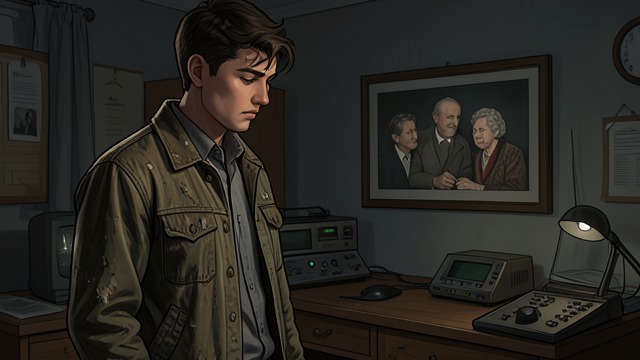
Henry Believes in Destiny
A model of permanence
Henry takes his parents’ apparent lifelong romance as evidence that love can be extraordinary and enduring. He expects a first serious relationship to carry the promise of a lasting future.
An untested belief
Because he has not been in love, Henry cannot distinguish hope from certainty. His idealism makes him brave enough to approach Grace, but it also encourages him to mistake imagined futures for mutual agreement.
A Chemical Account
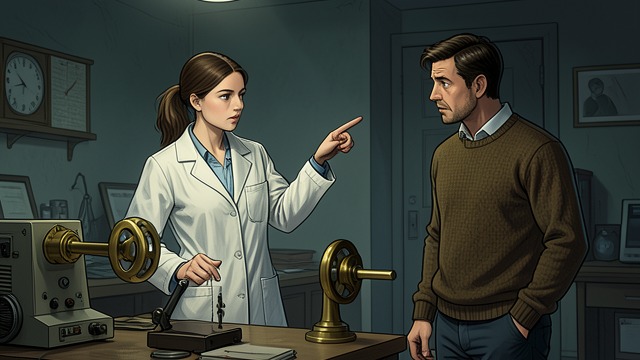
A Chemical Account
Sadie reframes attachment
Sadie describes love and heartbreak as processes in the brain, comparing the loss of a loved person to hunger and withdrawal. Her scientific language validates Henry’s physical sense of pain.
Biology does not erase meaning
The explanation does not make Henry’s feelings trivial. It offers a way to understand why heartbreak is so intense while leaving room for the relationship to have mattered, even if it did not last.
Love Without a Guarantee

Love Without a Guarantee
A changed expectation
Sadie tells Henry that people make soulmates through their lives together rather than discovering someone predestined. Her account makes separation part of a relationship’s history, not proof that love never existed.
Risk remains worth taking
Henry does not immediately stop longing for Grace, but he begins to see that no promise can eliminate uncertainty. The novel’s view of love becomes less like fate and more like a choice whose value is not determined by its duration.
before his first relationship
after Henry’s breakup
near the end of the semester
